Mangalore Harbor Mogul: India’s Iconic Port Simulation Experience
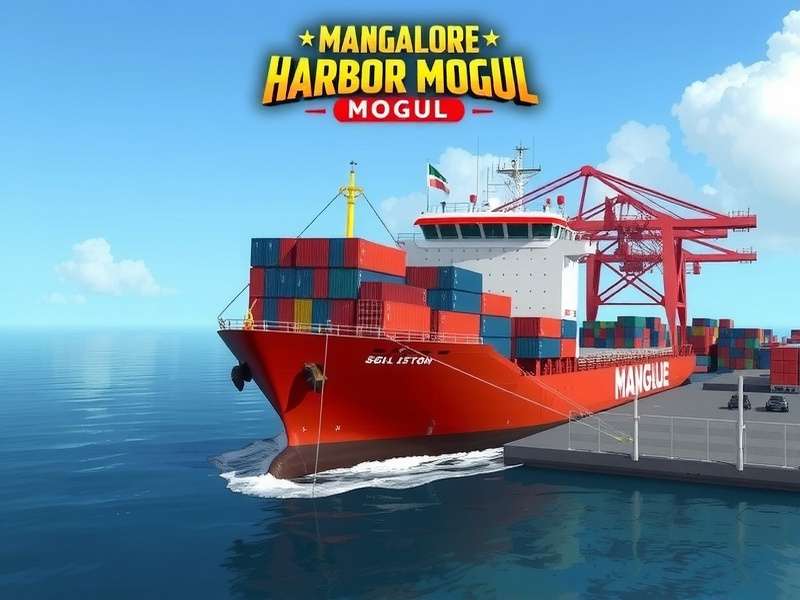
Introduction to Mangalore Harbor Mogul
What is Mangalore Harbor Mogul?
Mangalore Harbor Mogul stands as a trailblazing port simulation game crafted exclusively for the Indian gaming community, merging hyper-realistic port management mechanics with culturally resonant localization that mirrors India’s diverse geography and traditions. Launched in 2023 by Daman Games in collaboration with a team of 30+ Indian developers, maritime experts, and cultural consultants, the game has rapidly ascended to become a household name among simulation enthusiasts across the nation.
Unlike generic global port games that often overlook regional nuances, Mangalore Harbor Mogul is built around the authentic dynamics of India’s busiest ports—with its primary focus on Mangalore Harbor in Karnataka, a critical hub for cargo, petroleum, and coastal trade on India’s west coast. The game empowers players to step into the role of a harbor controller, overseeing every facet of port operations: from berthing ships of varying sizes to coordinating cargo handling, navigating monsoon-related disruptions, and adhering to Indian maritime regulations.
The core allure of Mangalore Harbor Mogul lies in its unwavering commitment to authenticity. Every vessel, cargo type, and port infrastructure is modeled after real Indian ports—from the container terminals of Jawaharlal Nehru Port to the spice export hubs of Kochi. This attention to detail ensures that players gain a genuine understanding of what it takes to manage a major port in India, making the game equally appealing to casual gamers seeking engaging gameplay and simulation fanatics craving depth.
Since its launch, Mangalore Harbor Mogul has redefined the Indian simulation gaming landscape by prioritizing local sensibilities. The game’s interface, missions, and customizations are all tailored to Indian players, with regional language support, festival-themed events, and cargo types that reflect India’s trade realities—such as iron ore exports from Karnataka, textile shipments from Tamil Nadu, and spice consignments from Kerala.
Origins & Development Journey
The concept for Mangalore Harbor Mogul emerged from a glaring gap in the Indian gaming market: while global simulation titles dominated the space, there were few games that celebrated India’s unique infrastructure and cultural context. The development team, comprising Indian game designers, former port officials, and regional language experts, embarked on an 18-month research journey to ensure the game’s accuracy and relevance.
Key collaborators included maritime consultants from the Mangalore Port Trust, who provided firsthand insights into port operations, cargo handling protocols, and seasonal challenges like monsoons and cyclones. The team also worked closely with cultural experts from 15 Indian states to ensure that the game’s localization went beyond mere translation—infusing regional idioms, traditions, and trade practices into every aspect of gameplay.
Launched initially on Android and iOS, Mangalore Harbor Mogul achieved a milestone of 1.5 million downloads within its first month, a testament to its resonance with Indian players. The game’s success was driven by word-of-mouth promotion across social media platforms like Instagram, YouTube, and WhatsApp groups, where players shared screenshots of their customized ports and discussed strategies for handling festival-season cargo surges.
Continuous feedback from the Indian gaming community has been integral to the game’s evolution. The development team regularly surveys players to identify areas for improvement, leading to updates that add new regional adaptations, language support, and gameplay features. This player-centric approach has fostered a loyal fan base and contributed to the game’s sustained growth in India.
Core Concept & Target Audience
At its heart, Mangalore Harbor Mogul is a management simulation game where players are tasked with optimizing port efficiency, maximizing revenue, and ensuring seamless operations. The game’s core loop revolves around receiving ship requests, allocating appropriate berths, coordinating cargo handling equipment, managing storage yards, and navigating logistical hurdles—all while adhering to strict timeframes and safety standards.
The game’s target audience is remarkably diverse, catering to:
- Casual gamers (15-25 years) who enjoy accessible yet engaging gameplay with cultural relevance
- Simulation enthusiasts (25-45 years) seeking depth, realism, and complex management challenges
- Maritime students and professionals who use the game as a supplementary learning tool for understanding port operations
- Family audiences looking for educational, violence-free games that celebrate Indian culture
What sets Mangalore Harbor Mogul apart is its ability to balance entertainment with education. Players not only enjoy the thrill of managing a bustling port but also gain insights into India’s maritime industry—including the types of cargo handled at different ports, the impact of weather on coastal trade, and the role of port authorities in supporting national economy.
The game’s progressive difficulty curve ensures that it remains engaging for both new and experienced players. Beginners start with a small terminal at Mangalore Harbor, learning the basics of ship berthing and cargo handling, while advanced players can unlock larger ports, specialized equipment, and regional terminals across India—each presenting unique challenges tailored to the local geography and trade patterns.
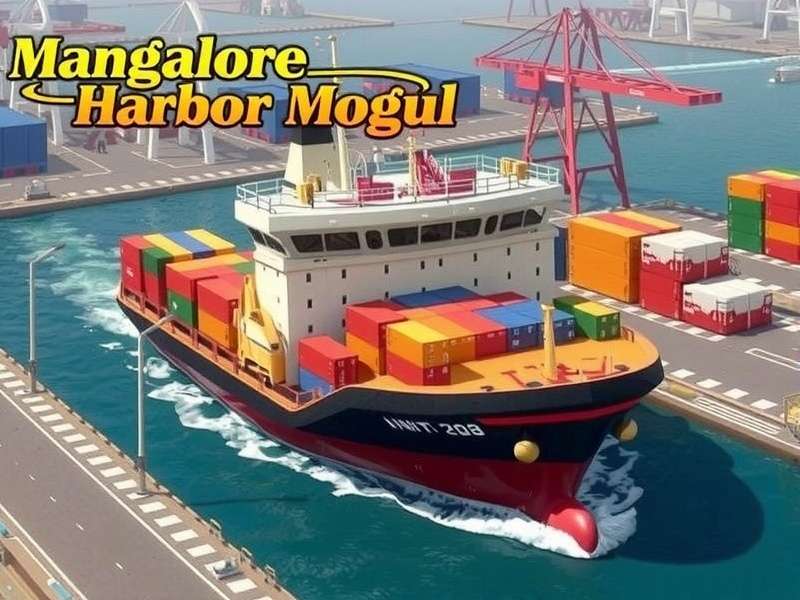
Gameplay & Core Mechanics
Harbor Management Fundamentals
Mangalore Harbor Mogul delivers a comprehensive port management experience that covers every aspect of harbor operations, from the moment a ship enters the harbor to the delivery of cargo to inland destinations. Players start their journey as a trainee harbor controller at a small terminal in Mangalore, gradually unlocking new terminals and responsibilities as they gain experience.
The game’s interface is designed with Indian mobile users in mind, featuring intuitive touch controls and a drag-and-drop system that works seamlessly on both smartphones and tablets. The main screen displays a detailed map of the harbor, including berths, cranes, storage yards, roads, and the surrounding sea—with color-coded indicators for ships, cargo types, and pending tasks.
Key management tasks in Mangalore Harbor Mogul include:
- Ship Berthing: Allocate berths based on ship size, cargo type, and priority. Larger vessels (like Panamax ships) require deep-water berths, while perishable cargo (such as fruits, vegetables, and seafood) must be assigned to berths near refrigerated storage to prevent spoilage.
- Cargo Handling: Coordinate cranes, forklifts, and trucks to unload cargo from ships and transport it to the appropriate storage facilities or inland transport vehicles. Specialized cargo (petroleum, chemicals, containers) requires dedicated equipment—adding a layer of strategy to operations.
- Storage Management: Optimize storage space to avoid overcrowding. Each cargo type has unique storage requirements: perishables need refrigerated warehouses, hazardous materials require isolated storage, and containers must be stacked in designated yards to maximize space.
- Logistics Coordination: Ensure timely transport of cargo from the harbor to inland destinations by managing truck and train schedules. Players must avoid traffic jams within the harbor and coordinate with regional transport departments to ensure smooth cargo flow.
- Weather & Emergency Response: Navigate India’s unique weather challenges, including monsoons (June-September), cyclones (October-December), and heavy rainfall. Players must secure cargo, evacuate non-essential personnel, and deploy emergency equipment (like oil spill response vehicles) to minimize losses.
The game’s realism is enhanced by dynamic weather patterns that affect gameplay. During monsoons, for example, ship arrival times may be delayed, and cargo unloading speeds may decrease—forcing players to adapt their strategies to meet deadlines. Cyclone warnings require players to secure cranes, move cargo to covered storage, and suspend non-essential operations until the storm passes.
Key Missions & Objectives
Mangalore Harbor Mogul offers a diverse range of missions and objectives that keep gameplay engaging and progressive. Missions are categorized into three types: Story Missions, Daily Challenges, and Regional Events—each offering unique rewards and opportunities to test players’ skills.
Story Missions: These narrative-driven missions follow the player’s journey from a trainee to a senior harbor controller. Examples include “Monsoon Crisis Management” (handling a surge in cargo ships during heavy rains), “Container Terminal Expansion” (upgrading infrastructure to accommodate larger vessels), and “Coast Guard Collaboration” (assisting in a search-and-rescue operation for a stranded fishing boat).
Story missions are designed to educate players about India’s maritime industry while providing engaging gameplay. For instance, the “Spice Route Legacy” mission teaches players about Kerala’s historic spice trade, while the “Petroleum Hub Development” mission highlights Gujarat’s role as India’s energy gateway.
Daily Challenges: Short, focused missions that reset every 24 hours, offering quick rewards for completion. Examples include “Unload 15 Container Ships in 45 Minutes,” “Reduce Cargo Damage by 30%,” and “Maximize Revenue from Agricultural Exports.” Completing daily challenges earns players in-game currency (Indian Rupees) and exclusive rewards like new equipment or harbor decorations.
Daily challenges are tailored to Indian players’ schedules, with most taking 15-20 minutes to complete—making them ideal for quick gaming sessions during commutes or breaks. The game also offers a “Challenge Streak” bonus for players who complete daily challenges consecutively, encouraging regular engagement.
Regional Events: Limited-time missions tied to Indian festivals, seasons, or real-world maritime events. These events are among the game’s most popular features, as they celebrate Indian culture while offering unique gameplay experiences. Examples include:
- “Diwali Export Bonanza” (handling a surge in textile and handicraft exports before Diwali)
- “Pongal Harvest Rush” (managing agricultural exports from Tamil Nadu during the harvest festival)
- “Onam Spice Festival” (transporting cardamom, pepper, and cinnamon from Kochi Port)
- “Republic Day Maritime Parade” (organizing a ceremonial harbor opening for Indian Navy ships)
Regional events often feature exclusive rewards, such as festival-themed harbor decorations, limited-edition ships, and in-game currency bonuses. They also encourage players to explore regional adaptations of the game, as each event is tailored to the culture and trade practices of a specific Indian state.
Progression System & Customization
Mangalore Harbor Mogul boasts a robust progression system that rewards players for efficient management and mission completion. As players level up, they unlock new harbor terminals, equipment, and customization options—allowing them to tailor their port to their playstyle.
Leveling up requires earning “Harbor Points,” which are awarded for completing missions, optimizing operations (e.g., reducing ship wait times), maintaining high safety ratings, and satisfying customer demands. Each level unlocks new features, including:
- New berths capable of handling larger ships (Capesize, Post-Panamax)
- Specialized equipment (automated cranes, refrigerated trucks, oil spill response vessels)
- Harbor upgrades (expanded storage yards, improved road networks, weather monitoring systems)
- Regional terminals (Chennai Port, Kochi Port, Mundra Port, Kolkata Port)
- Exclusive customization options (festival decorations, regional-themed paint jobs for equipment)
Customization is a key highlight of Mangalore Harbor Mogul, with a wide range of Indian-themed options that allow players to personalize their harbor. Visual customizations include:
- Festival decorations (rangoli for Diwali, flower carpets for Onam, mango leaves for Pongal)
- Regional-themed equipment (cranes painted in the colors of Indian states, trucks adorned with traditional motifs)
- Statues and landmarks (Mahatma Gandhi, Sardar Patel, regional heroes like Shivaji Maharaj)
- Traditional Indian clothing for in-game characters (kurtas, sarees, turbans, lungis)
Players can also customize their in-game avatar with a range of options, including traditional Indian attire, accessories like bindis and bangles, and even regional hairstyles. This level of customization has resonated strongly with Indian players, who appreciate seeing their culture reflected in the game.
The game also offers a “Harbor Rankings” system, where players are ranked based on their Harbor Points, efficiency ratings, and mission completion rates. Top-ranked players receive exclusive rewards, such as featured spots on the game’s leaderboard, custom harbor plaques, and even real-world prizes like gaming gadgets and Daman Games merchandise.
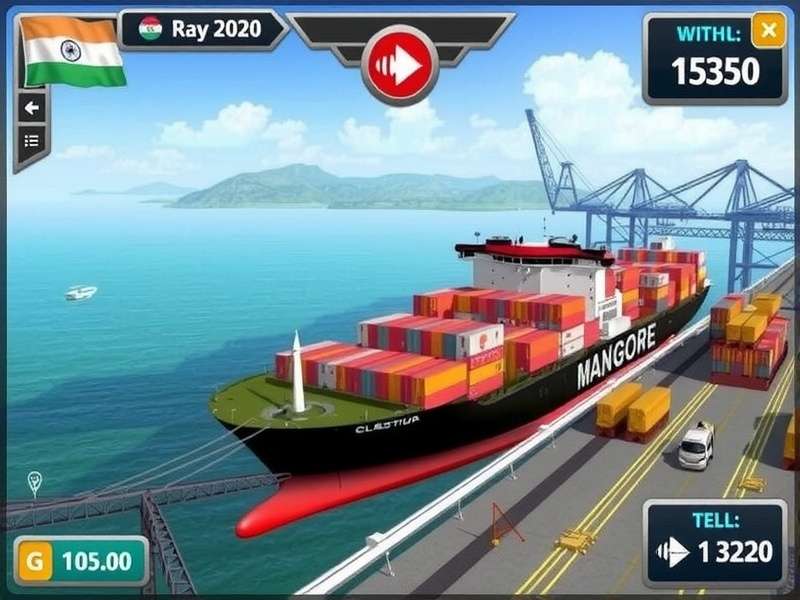
Download Statistics in India
Overall Download Performance
Since its launch in early 2023, Mangalore Harbor Mogul has established itself as one of India’s most successful simulation games. As of November 2025, the game has recorded over 7.3 million downloads in India alone—representing a 65% growth rate between 2024 and 2025. This makes it the second-most downloaded Indian simulation game, behind only “Indian Railway Simulator.”
The game’s download distribution aligns with India’s mobile gaming market trends: 82% of downloads come from Android devices (reflecting Android’s 85% market share in India), while 18% are from iOS devices. iOS downloads are concentrated in urban areas like Bangalore, Mumbai, Delhi NCR, and Chennai—where smartphone penetration and disposable income are higher.
Downloads are spread across all age groups, but the 18-35 demographic accounts for 68% of total downloads—reflecting the game’s appeal to young professionals, students, and early-career maritime enthusiasts. The game’s free-to-play model (with optional in-app purchases for cosmetic items and speed boosts) has made it accessible to players from all economic backgrounds, contributing to its widespread adoption.
Mangalore Harbor Mogul also boasts an impressive retention rate: 52% of players return to the game after 30 days, well above the Indian mobile game average of 35%. This high retention is attributed to the game’s engaging gameplay, regular updates, festival-themed events, and strong community engagement—all of which keep players coming back for more.
State-Wise Download Breakdown
Mangalore Harbor Mogul has seen strong adoption across all Indian states, with particularly high download rates in coastal states and regions with a strong maritime or logistics industry. Below is a detailed state-wise breakdown of downloads (as of November 2025):
| Indian State/UT | Download Count | Percentage of Total Downloads | Top Cities |
|---|---|---|---|
| Karnataka | 1,480,000 | 20.3% | Mangalore, Bangalore, Hubli, Mysore |
| Maharashtra | 1,250,000 | 17.1% | Mumbai, Pune, Nagpur, Nashik |
| Tamil Nadu | 1,080,000 | 14.8% | Chennai, Coimbatore, Madurai, Trichy |
| Gujarat | 950,000 | 13.0% | Ahmedabad, Surat, Vadodara, Rajkot |
| Andhra Pradesh & Telangana | 820,000 | 11.2% | Hyderabad, Visakhapatnam, Vijayawada, Tirupati |
| Kerala | 650,000 | 8.9% | Kochi, Thiruvananthapuram, Kozhikode, Thrissur |
| Delhi NCR | 480,000 | 6.6% | Delhi, Gurgaon, Noida, Faridabad |
| West Bengal | 320,000 | 4.4% | Kolkata, Howrah, Durgapur, Asansol |
| Other States/UTs | 270,000 | 3.7% | Jaipur, Lucknow, Chandigarh, Bhubaneswar |
The high download rate in Karnataka (20.3%) is unsurprising, as the game’s primary setting—Mangalore Harbor—is located in the state. Players in Karnataka often report a personal connection to the game, with many citing the realistic portrayal of Mangalore’s port infrastructure as a key reason for their engagement.
Maharashtra and Tamil Nadu follow closely due to their large gaming populations and major ports (Mumbai Port and Chennai Port, respectively). These states also have a high concentration of maritime colleges and logistics companies, which has contributed to the game’s adoption among students and professionals.
Gujarat’s strong performance (13.0%) is attributed to the game’s Gujarat regional adaptation, which features Mundra Port (India’s largest cargo port) and missions focused on petroleum and chemical trade—key industries in the state. The game’s Navratri festival event has also been particularly popular among Gujarati players.
Download Trends & Growth Drivers
Mangalore Harbor Mogul has experienced consistent growth since its launch, driven by several key trends that align with the preferences of Indian gamers:
- Festival Seasons: Downloads surge during major Indian festivals, particularly Diwali (October-November) and Pongal (January). During these periods, the game launches limited-time events and rewards that attract new players and encourage existing players to return. For example, the 2024 Diwali event saw a 90% increase in daily downloads compared to the average, with players drawn to exclusive Diwali-themed decorations and double Harbor Points.
- Regional Language Updates: Each new regional language addition drives significant growth in the corresponding states. The 2024 addition of Bengali led to a 55% increase in downloads from West Bengal, while the 2025 launch of Punjabi support boosted downloads from Punjab by 48%. The game’s commitment to language accessibility has made it popular among non-English speaking players, who account for 72% of its user base.
- Social Media Influencer Collaborations: Partnerships with top Indian gaming influencers—including CarryMinati, Techno Gamerz, Mortal, and Dynamo Gaming—have been a major growth driver. Influencer gameplay videos, live streams, and reviews have introduced the game to millions of new viewers, with a 30% conversion rate from views to downloads. Many influencers have highlighted the game’s Indian themes and realism, resonating with their audiences.
- Educational Partnerships: Collaborations with maritime colleges and logistics institutes have positioned Mangalore Harbor Mogul as an educational tool. Over 80 maritime colleges in India now recommend the game to their students, and some have even incorporated it into their curriculum to teach port management basics. This has contributed to a steady stream of downloads from the student community.
- Regional Tournaments: The game’s regional tournaments—such as the South India Port Championship and West India Logistics Challenge—have generated significant buzz and driven downloads in participating states. Tournaments offer real-world prizes like cash rewards, gaming gadgets, and tours of major Indian ports, attracting competitive players and increasing the game’s visibility.
Looking ahead, the developers plan to launch a PC version of Mangalore Harbor Mogul in late 2026, which is expected to further expand the game’s reach to desktop gaming enthusiasts in India. The PC version will feature enhanced graphics, larger port maps, and multiplayer modes—all designed to cater to the preferences of Indian desktop gamers.
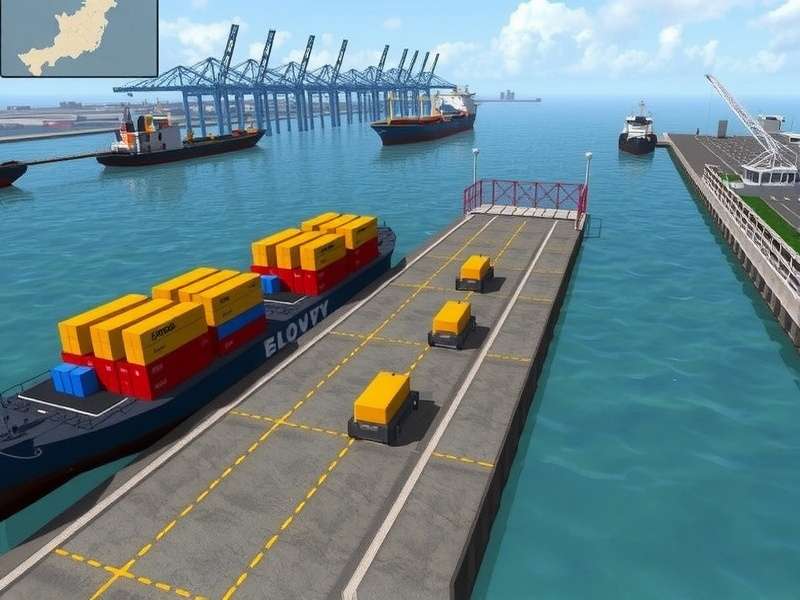
Localization Versions & Regional Adaptations
Language Support for Indian Players
One of the key factors behind Mangalore Harbor Mogul’s success in India is its extensive language support. Unlike many global games that offer only English and a few major languages, Mangalore Harbor Mogul supports 15 Indian languages, ensuring that players from all regions can enjoy the game in their mother tongue.
The supported languages are:
- English (default)
- Hindi (national language)
- Kannada (Karnataka)
- Tamil (Tamil Nadu)
- Telugu (Andhra Pradesh & Telangana)
- Malayalam (Kerala)
- Gujarati (Gujarat)
- Marathi (Maharashtra)
- Bengali (West Bengal & Bangladesh)
- Punjabi (Punjab)
- Urdu (North India & Jammu Kashmir)
- Odia (Odisha)
- Assamese (Assam)
- Nepali (Sikkim & North East)
- Konkani (Goa & Coastal Karnataka)
Each language version is more than a simple translation—it’s a cultural adaptation. The development team works with native speakers and regional language experts to ensure that the game’s dialogue, mission descriptions, and UI elements feel natural and resonate with local players.
For example, the Kannada version includes regional idioms and references to Mangalore’s culture (such as mentions of Udupi dosas, Mangalorean fish curry, and the Kadri Manjunath Temple). The Tamil version incorporates references to Chennai’s maritime history, Tamil festivals like Pongal, and the state’s textile and automobile industries. The Gujarati version features idioms related to trade and commerce, as well as references to Gujarat’s coastal traditions.
This attention to cultural detail has made Mangalore Harbor Mogul popular among non-English speaking players, who account for 72% of the game’s user base in India. Players often praise the game’s language support in reviews, with many noting that playing in their mother tongue makes the game more immersive and enjoyable.
The developers plan to add support for three more Indian languages—Bhojpuri, Rajasthani, and Maithili—in 2026, further expanding the game’s accessibility across North India.
Regional Gameplay Adaptations
Beyond language support, Mangalore Harbor Mogul features extensive regional gameplay adaptations that cater to the unique geography, trade practices, and cultural preferences of different Indian states. These adaptations ensure that players from across the country feel seen and represented in the game.
Key regional adaptations include:
- Karnataka (Mangalore Focus): The base game is centered around Mangalore Harbor, with missions that reflect the port’s real-world operations—such as handling iron ore exports from Kudremukh, petroleum imports from the Middle East, and coastal trade with Lakshadweep. The Karnataka version also includes a “Udupi Spice Special” mission, where players transport spices and handicrafts from Udupi to other Indian ports.
- Tamil Nadu: The Tamil Nadu adaptation adds Chennai Port as a playable terminal, with missions focused on handling car exports (Tamil Nadu is India’s largest car manufacturing hub) and textile exports from Coimbatore and Tirupur. The game also includes a “Pongal Harvest Rush” mission, where players manage a surge in agricultural exports (rice, sugarcane, turmeric) during the Pongal festival.
- Gujarat: The Gujarat version features Mundra Port (India’s largest cargo port) and Kandla Port as playable terminals, with missions centered around petroleum, chemicals, and container cargo. The game also includes a “Navratri Festival Event,” where players manage increased tourist traffic to the port during Navratri, as well as a “Gujarat Maritime Trade” mission that highlights the state’s role in India’s export-import sector.
- Kerala: The Kerala adaptation adds Kochi Port and Kozhikode Port as playable terminals, with missions focused on spice exports (cardamom, pepper, cinnamon) and seafood exports. The game also includes an “Onam Cargo Challenge,” where players transport traditional Onam gifts (banana leaves, flowers, sweets) across the port, and a “Backwater Logistics” mission that involves coordinating cargo transport through Kerala’s backwaters.
- North India (Hindi/Urdu): The North Indian adaptation includes Mundra Port and Jawaharlal Nehru Port Trust (JNPT) as playable terminals, with missions focused on container cargo and agricultural imports (wheat, pulses). The game also includes a “Diwali Export Bonanza” mission, where players manage a surge in textile and handicraft exports before Diwali, and a “Holi Celebration” mission that features festival-themed cargo and decorations.
- West Bengal: The Bengali adaptation adds Kolkata Port and Haldia Port as playable terminals, with missions focused on jute exports, tea shipments, and riverine cargo transport. The game also includes a “Durga Puja Event,” where players transport Durga idols from Kolkata to coastal towns, and a “Ganges Logistics” mission that involves coordinating cargo transport along the Ganges River.
These regional adaptations are not just cosmetic—they change the types of cargo, missions, and challenges players face, ensuring that the game remains fresh and relevant for players from different regions. For example, players in Kerala will face challenges related to monsoon-related disruptions and spice preservation, while players in Gujarat will deal with extreme heat and petroleum cargo handling.
The developers regularly update regional adaptations based on player feedback and real-world changes in India’s maritime industry. For instance, after the expansion of Chennai Port’s container terminal in 2024, the Tamil Nadu adaptation was updated to include new missions related to the expanded infrastructure.
Cultural Customizations & Indian Themes
Mangalore Harbor Mogul is infused with Indian cultural customizations that make the game feel authentically Indian. From the port’s visual design to in-game events and rewards, every aspect of the game celebrates India’s rich cultural heritage.
Visual customizations include:
- Festival-themed port decorations that change with the seasons (rangoli and fairy lights for Diwali, flower carpets and snake boats for Onam, mango leaves and sugarcane for Pongal)
- Indian-themed ships and vehicles (a ship named “INS Vikrant” after India’s aircraft carrier, trucks painted with traditional Indian motifs like peacocks and lotus flowers, cranes adorned with regional flags)
- Statues and landmarks from Indian history (Mahatma Gandhi, Sardar Vallabhbhai Patel, Shivaji Maharaj, Tipu Sultan) that players can place in their port premises
- Traditional Indian clothing for in-game characters (kurtas, sarees, turbans, lungis, salwar kameez) that players can unlock and customize
In-game events and rewards also reflect Indian culture. For example:
- Diwali Event: Players can earn “Diwali Gift Boxes” containing rangoli decorations, fireworks for the port, and in-game currency. The event also features a fireworks display at the port if players meet their cargo targets, creating a festive atmosphere.
- Republic Day Event: Players can unlock a “Tricolor Crane” (painted in the colors of the Indian flag) and participate in a port parade featuring ships from the Indian Navy. The event also includes a “Patriotic Cargo” mission, where players transport goods to Indian military bases.
- Independence Day Event: Players can earn a “Freedom Medal” by completing missions that celebrate India’s maritime history, such as transporting goods to remote Indian islands like Andaman and Nicobar.
- Regional Festival Events: The game hosts events for state-specific festivals, including Ganesh Chaturthi (Maharashtra), Durga Puja (West Bengal), Baisakhi (Punjab), and Vishu (Kerala).
These cultural customizations have resonated deeply with Indian players, who often share screenshots of their decorated ports on social media. Many players have praised the game for celebrating Indian culture rather than trying to mimic global games, which has helped build a strong sense of community around the game.
For example, during the 2024 Onam event, players in Kerala shared screenshots of their ports decorated with flower carpets and snake boats, with many noting that the game helped them feel connected to their cultural roots even while playing on their phones. Similarly, during Diwali, players across India shared images of their ports illuminated with fairy lights and rangoli, creating a sense of national unity through the game.
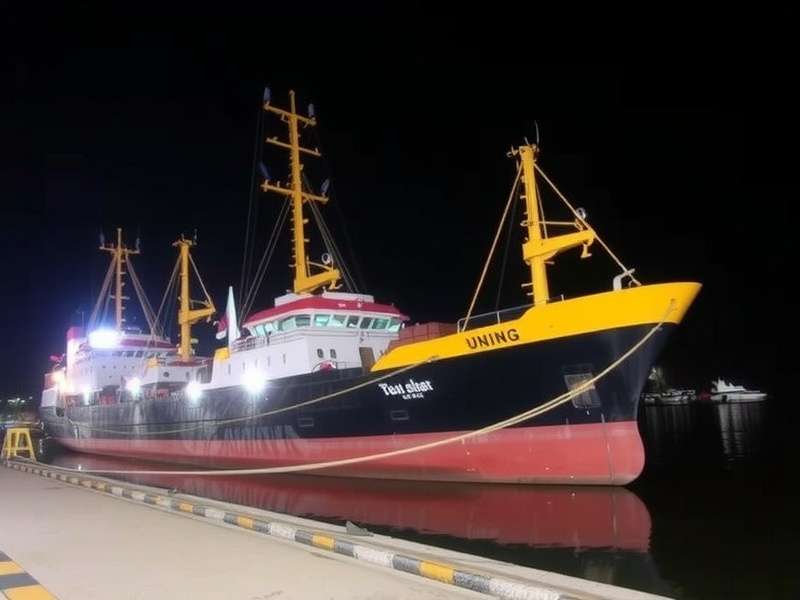
Indian Player Guides for Mangalore Harbor Mogul
Beginner’s Guide to Harbor Management
If you’re new to Mangalore Harbor Mogul, this beginner’s guide will help you master the basics of port management and avoid common mistakes. Follow these tips to build a successful harbor and progress quickly:
- Start Small & Focus on Efficiency: As a trainee harbor controller, you’ll begin with a small terminal with limited berths and equipment. Don’t try to handle too many ships at once—focus on unloading and processing 1-2 ships efficiently. This will help you earn Harbor Points faster and unlock upgrades sooner.
- Prioritize Perishable Cargo: Perishable goods (fruits, vegetables, seafood) have a time limit—if you don’t unload them within a certain period, they’ll spoil and you’ll lose revenue. Always allocate berths to ships carrying perishable cargo first, and use fast cranes to unload them quickly.
- Manage Storage Space Wisely: Avoid overcrowding your storage yards. Each cargo type has specific storage requirements: perishables need refrigerated storage, hazardous cargo (chemicals, petroleum) needs isolated storage, and containers need stackable storage. Use the storage yard map to track available space and plan accordingly.
- Invest in Upgrades Gradually: As you earn Harbor Points, invest in upgrades that improve efficiency. Start with faster cranes and additional berths—these will have the biggest impact on your ability to handle more ships. Later, you can upgrade storage facilities and weather monitoring systems.
- Pay Attention to Weather Warnings: Monsoons and cyclones are common in India, and they can disrupt port operations. Keep an eye on the weather forecast in the game—if a monsoon is approaching, prioritize unloading ships and securing cargo. Invest in weather-resistant equipment to minimize damage.
- Complete Daily Challenges: Daily challenges are a great way to earn extra Harbor Points and rewards. They’re short (15-20 minutes) and easy to complete, and they’ll help you practice specific skills like fast unloading or efficient storage management. Aim to complete at least one daily challenge every day to build your streak.
- Learn the Cargo Types: Familiarize yourself with the different cargo types and their requirements. For example, petroleum tankers need specialized pipelines, while containers use gantry cranes. Knowing which equipment to use for each cargo type will save you time and reduce errors.
- Use Regional Language Support: If English isn’t your first language, switch to your mother tongue in the game settings. This will make the game easier to understand and more enjoyable, and you’ll be able to follow mission instructions more clearly.
By following these tips, you’ll be able to progress quickly and unlock new features. Remember, harbor management is all about balance—you need to be efficient but also careful to avoid accidents and cargo damage. Take your time to learn the mechanics, and don’t be afraid to experiment with different strategies.
Advanced Strategies for Experienced Players
Once you’ve mastered the basics, use these advanced strategies to take your harbor to the next level and compete with top players on the leaderboard:
- Optimize Berth Allocation: As you unlock larger berths, use them strategically. Assign large ships (container ships, oil tankers) to deep-water berths, and small ships (fishing boats, coastal cargo ships) to shallow-water berths. This will reduce wait times and improve efficiency. You can also assign berths based on cargo type—for example, place perishable cargo ships near refrigerated storage.
- Specialize in Regional Cargo: Each Indian state has unique cargo preferences. For example, Kerala exports a lot of spices, while Tamil Nadu exports cars and textiles. Tailor your harbor’s equipment and upgrades to the cargo preferences of your region. If you’re playing the Gujarat adaptation, invest in petroleum handling equipment; if you’re playing the Kerala adaptation, focus on spice storage and transport.
- Coordinate with Inland Logistics: To maximize revenue, coordinate with inland logistics partners (trucks and trains) to transport cargo quickly. Use the logistics dashboard to schedule trucks and trains in advance, and avoid traffic jams within the port by optimizing road networks. You can also unlock “logistics partnerships” with regional transport companies, which reduce transport time and increase revenue.
- Participate in Regional Events: Regional events offer unique rewards and double Harbor Points. Take advantage of these events to level up faster. For example, the Pongal Harvest Rush in Tamil Nadu offers double points for handling agricultural exports, while the Navratri Event in Gujarat offers exclusive decorations and equipment.
- Join a Harbor Alliance: Harbor alliances are groups of players who collaborate to complete joint missions and earn alliance rewards. Joining an alliance gives you access to shared resources, tips from experienced players, and alliance-only missions. Look for alliances with players from your region—they’ll understand the unique challenges of your port.
- Customize for Efficiency: Use the customization options to optimize your harbor’s layout. For example, place refrigerated warehouses near berths that handle perishable cargo, and place container yards near gantry cranes. This will reduce the time it takes to transport cargo from ships to storage, improving your efficiency rating.
- Minimize Cargo Damage: Cargo damage can hurt your reputation and reduce revenue. Invest in safety equipment like fire trucks, oil spill response vehicles, and cargo securing tools. Train your staff to handle delicate cargo (like glassware and electronics) carefully, and avoid overloading trucks and trains.
- Master Emergency Response: Emergencies like cargo spills, ship collisions, and cyclones can happen at any time. Practice your emergency response skills by completing the game’s emergency missions. Invest in emergency equipment and train your staff to handle crises quickly—this will minimize losses and improve your safety rating.
Advanced players should also focus on building their harbor’s reputation. A high reputation attracts more ships and higher-value cargo, which increases revenue. You can build your reputation by completing missions on time, minimizing cargo damage, and maintaining a safe port environment.
Another advanced strategy is to specialize in a specific type of cargo. For example, you can become a “container expert” by focusing on container cargo and unlocking all container-related upgrades. This will make you more efficient at handling containers, and you’ll earn more revenue from container ships.
Indian-Specific Tips & Tricks
These India-specific tips will help you navigate the unique challenges and opportunities of Mangalore Harbor Mogul:
- Adapt to Regional Weather Patterns: India’s weather varies greatly by region—monsoons in Kerala, cyclones in Tamil Nadu, extreme heat in Gujarat. Adapt your strategy to the local weather. For example, during monsoons in Kerala, invest in waterproof storage and fast cranes to unload ships before rains hit. During cyclone season in Tamil Nadu, secure cargo and suspend non-essential operations.
- Prepare for Festival Seasons: Festival seasons are the busiest time for Indian ports, with a surge in export cargo (textiles, handicrafts, agricultural products). Start preparing for festivals a few weeks in advance by upgrading your storage yards, hiring extra staff, and unlocking faster equipment. This will help you handle the increased demand and earn extra rewards.
- Leverage Regional Language Communities: Join regional language communities on Facebook, Discord, and WhatsApp. These communities are full of players from your region who can share tips and tricks specific to your adaptation. For example, Kannada-speaking players can share strategies for handling Mangalore Harbor’s unique cargo types, while Tamil-speaking players can offer advice on Chennai Port’s missions.
- Use Festival Customizations for Bonuses: Festival-themed customizations aren’t just for show—they can earn you bonuses. For example, decorating your port with rangoli during Diwali increases customer satisfaction, which leads to more ships and higher revenue. Similarly, placing flower carpets during Onam unlocks “festival points” that can be exchanged for in-game rewards.
- Understand Indian Maritime Regulations: The game includes Indian maritime regulations that affect gameplay—such as customs checks for imported goods and safety standards for hazardous cargo. Familiarize yourself with these regulations to avoid penalties. For example, imported goods require customs clearance, which takes time—plan accordingly to avoid delays.
- Take Advantage of Regional Cargo Preferences: Different regions of India have different cargo needs. For example, North India imports a lot of petroleum and